Piece name
Category · Material
Year
Description
Furniture, lighting and sculptural objects made in small, numbered editions.
OBJECT/FORM works at the intersection of collectible design, architecture and contemporary craft. Every piece begins as a drawing and ends in the hands of a specific maker — a joiner, a stone cutter, a glassblower — whose name we know.
Studio statement
OBJECT/FORM is a two-person practice supported by a small circle of workshops across Denmark, Portugal and northern Italy. We do not hold stock, we do not chase seasons, and we release no more than four new pieces a year.
Our work sits between furniture and sculpture. A bench is a horizontal line in a room before it is a place to sit; a lamp is a volume of light before it is a fixture. We design for that first reading — the way an object changes the air around it — and then resolve everything else with obsessive attention to joints, weight and touch.
Each edition is limited, numbered and signed by the workshop that produced it. When an edition closes, it stays closed.
Selected pieces
A short selection from the working collection. Each piece is produced in a numbered edition and can be specified in alternative timbers, stones and finishes.
Category · Material
Description
Seating · Solid oak, undyed wool
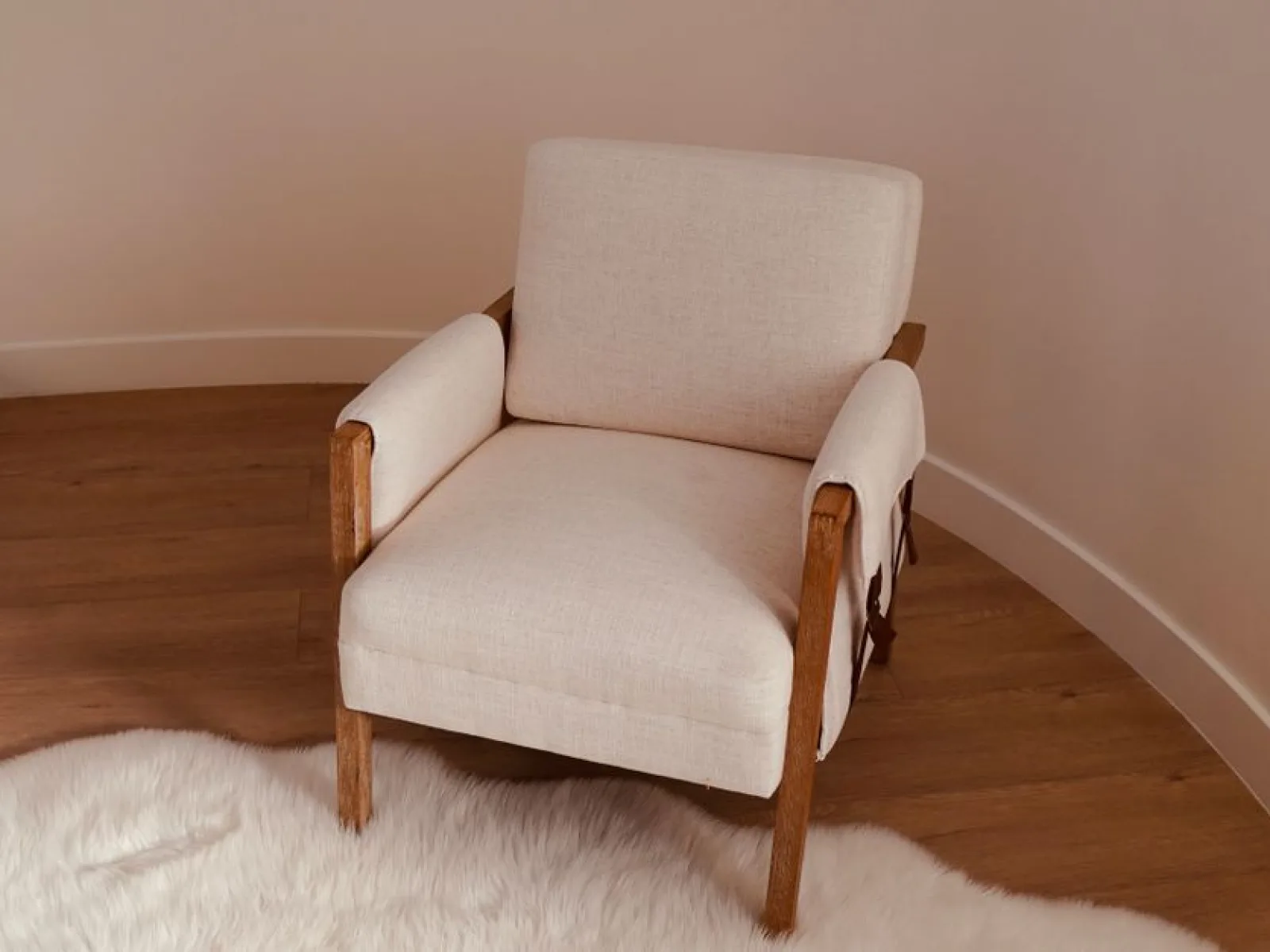
A low, wide chair built from four thick oak members and a single suspended seat. The frame is left unfinished on its inner faces, so the grain records how the timber was cut.
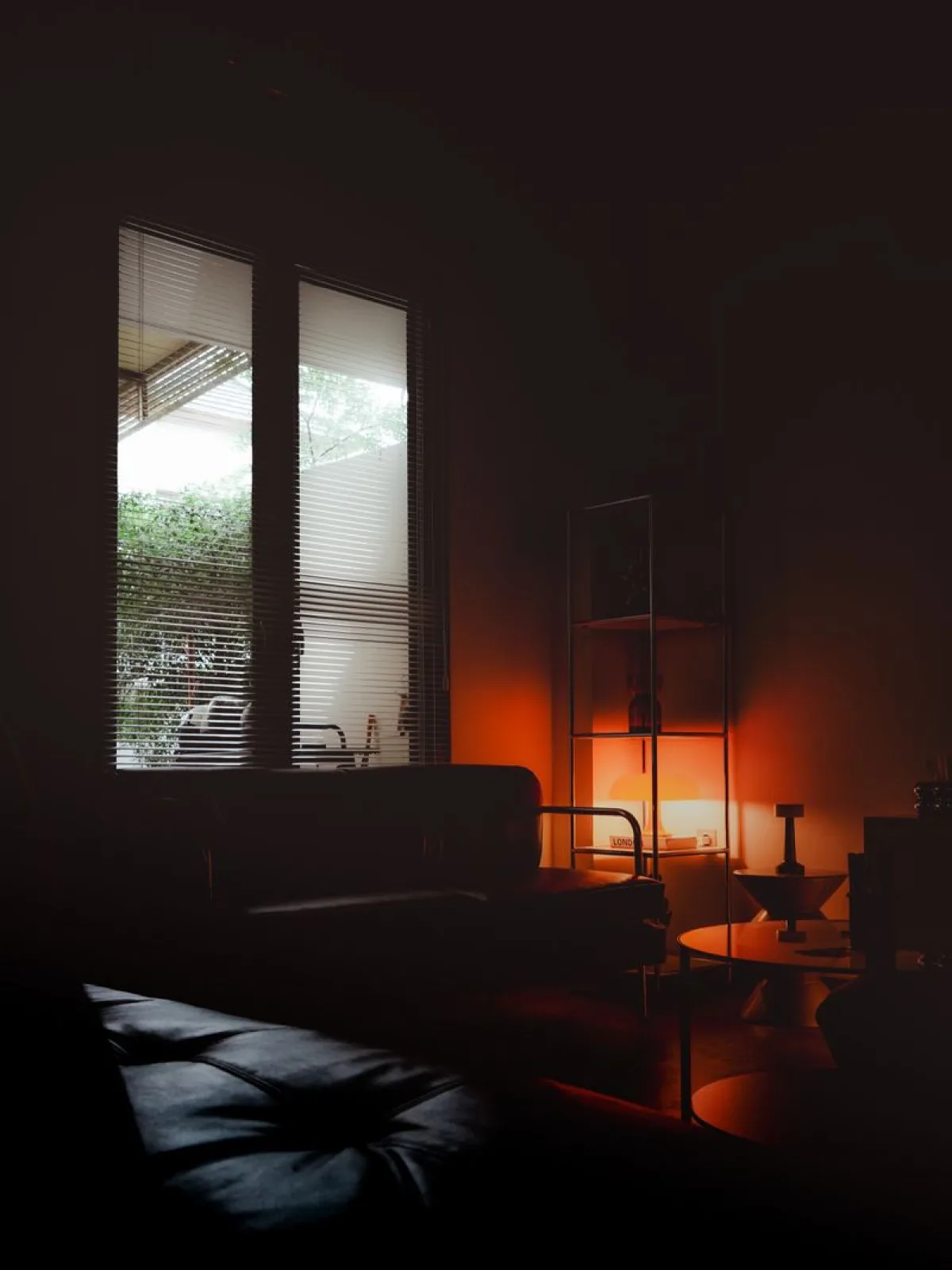
Lighting · Brushed steel, opal glass
A single drawn steel column carrying a hand-blown opal cylinder. Dimmed to its lowest setting it reads as a lit line rather than a lamp.
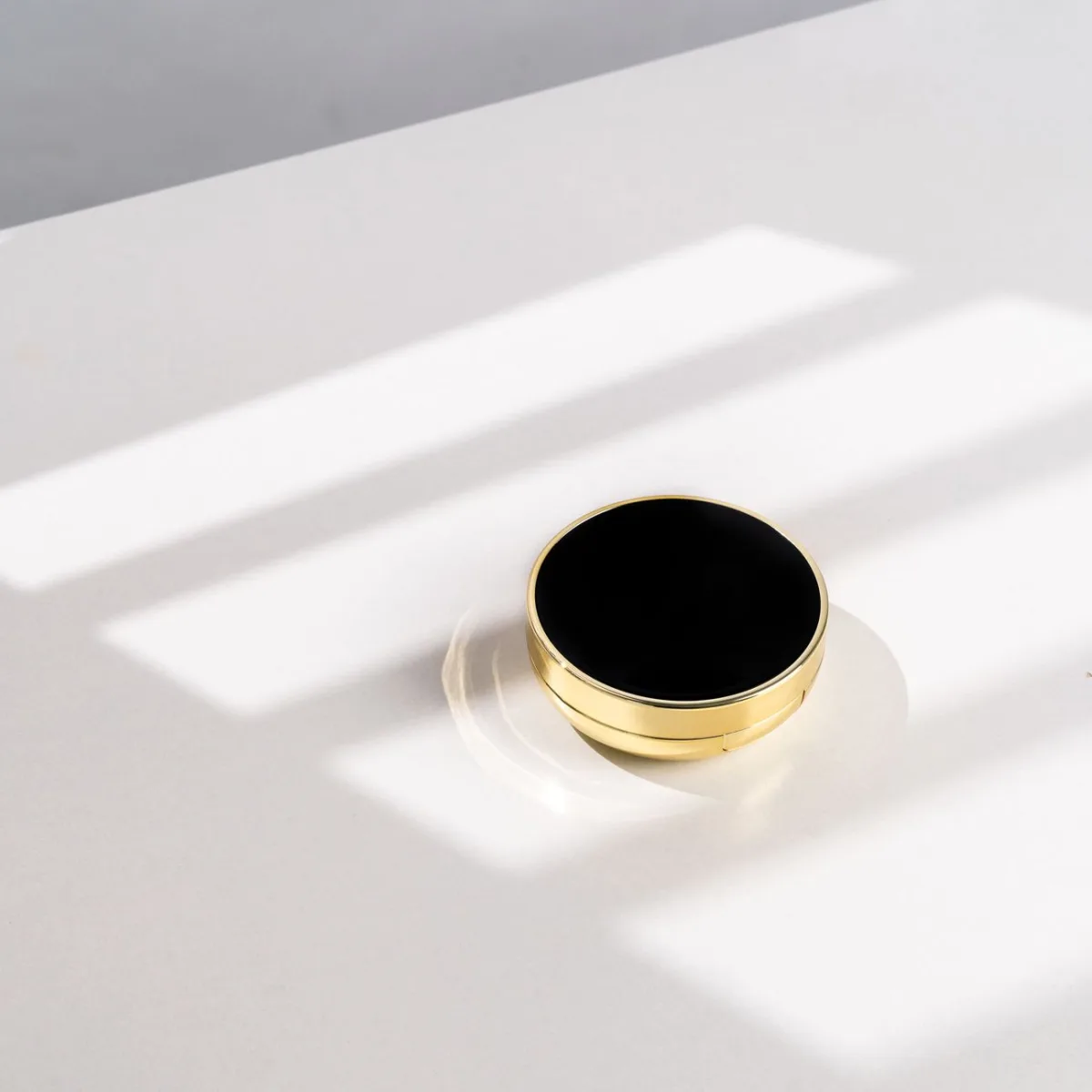
Seating · Carved elm
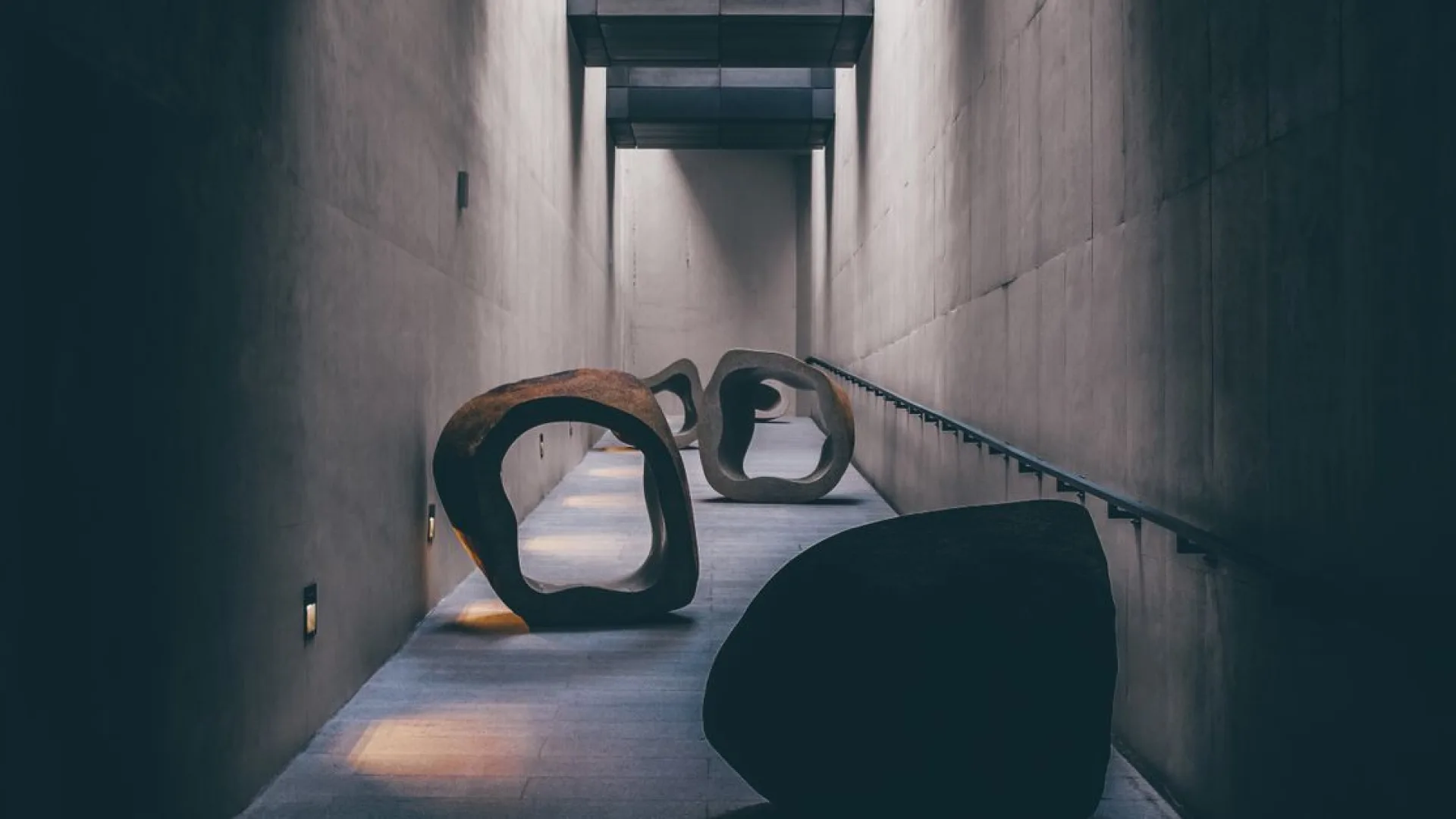
Cut from one length of storm-felled elm and hollowed along its spine. Each bench follows the log it came from, so no two are dimensionally identical.
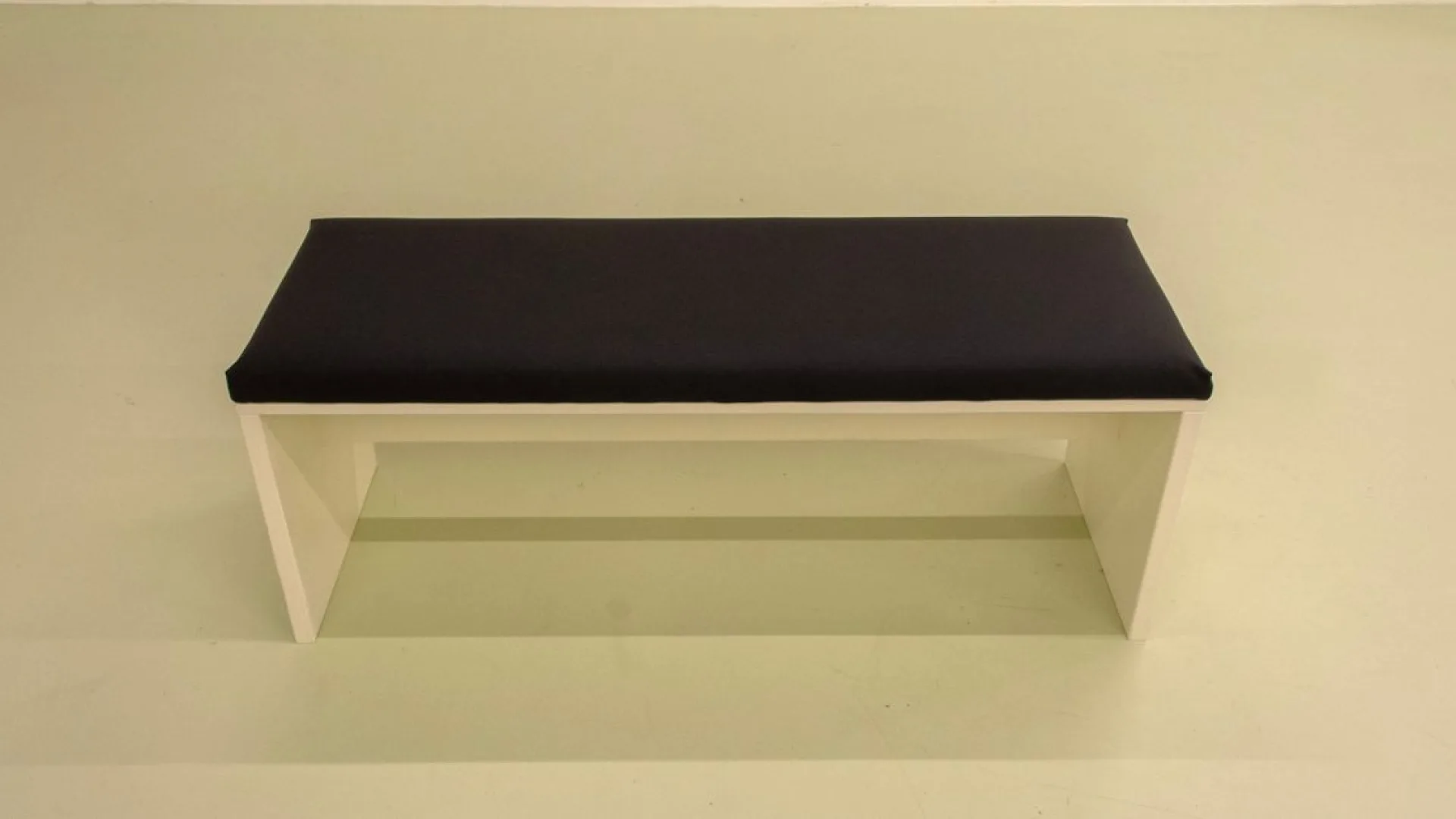
Storage · Blackened steel, solid oak
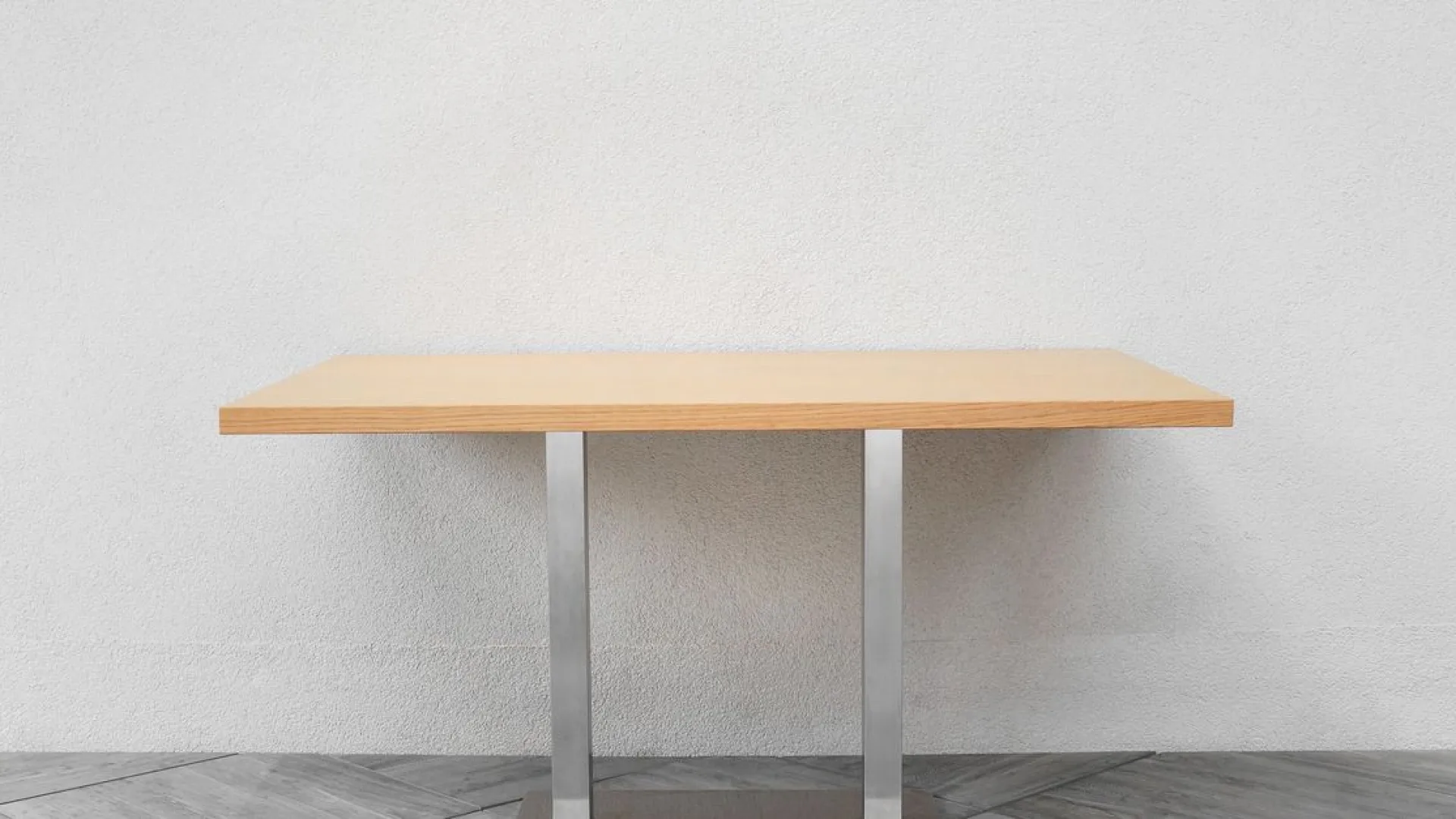
A demountable frame of blackened flat bar with oak shelves resting on machined pins. No fixings, no visible hardware, extendable years later.
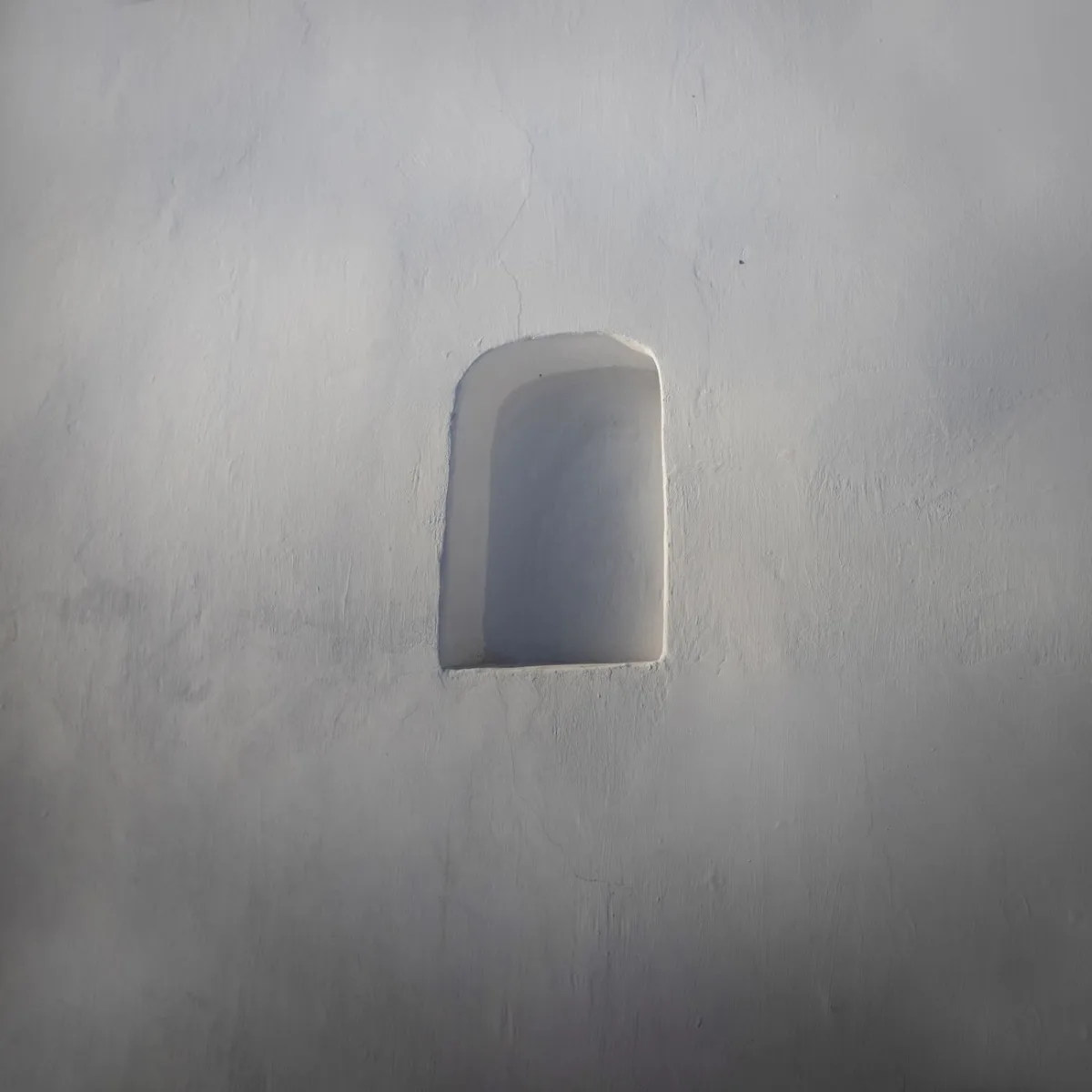
Category · Material
Description
Material & craft
We work with eleven workshops. None of them is larger than nine people, and all of them have refused a drawing of ours at least once.
Boards are chosen at the mill, not ordered from a catalogue. We buy full logs where possible so a table and its bench can share the same tree.
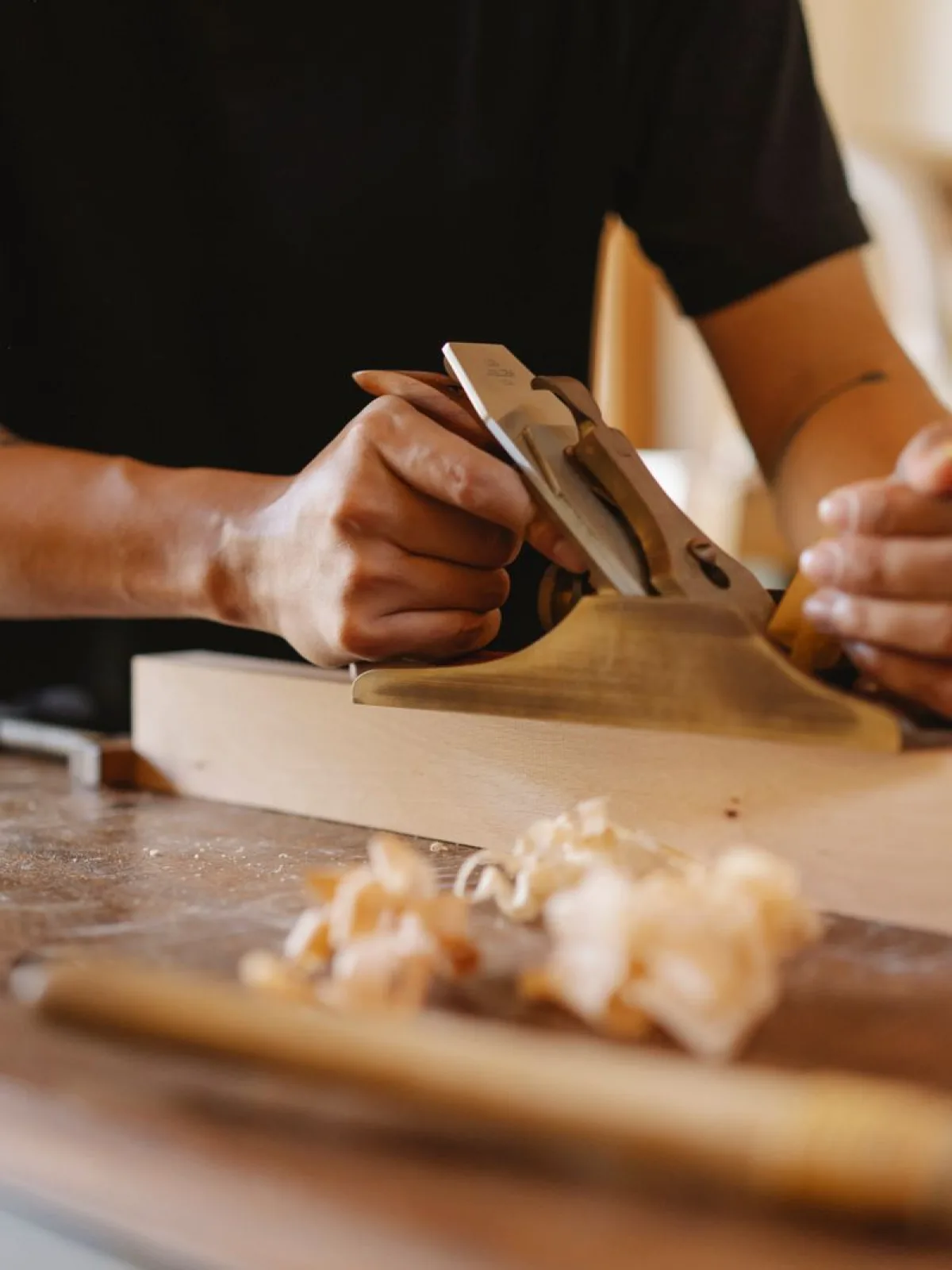
Every connection is drawn full size before prototyping. Where a joint can be visible without becoming decorative, we leave it visible.
Travertine and limestone are cut in Vicenza; steel is folded and blackened in a four-person shop outside Aarhus that has done nothing else since 1978.
Soap, wax and plant oils only. Finishes are designed to be repaired rather than protected, so a surface can be brought back rather than replaced.
Each piece carries an edition number and the workshop stamp on an unseen face, together with the year of production.
We hold drawings and offcuts for every edition, so a piece can be serviced, refinished or extended a decade after it left the bench.
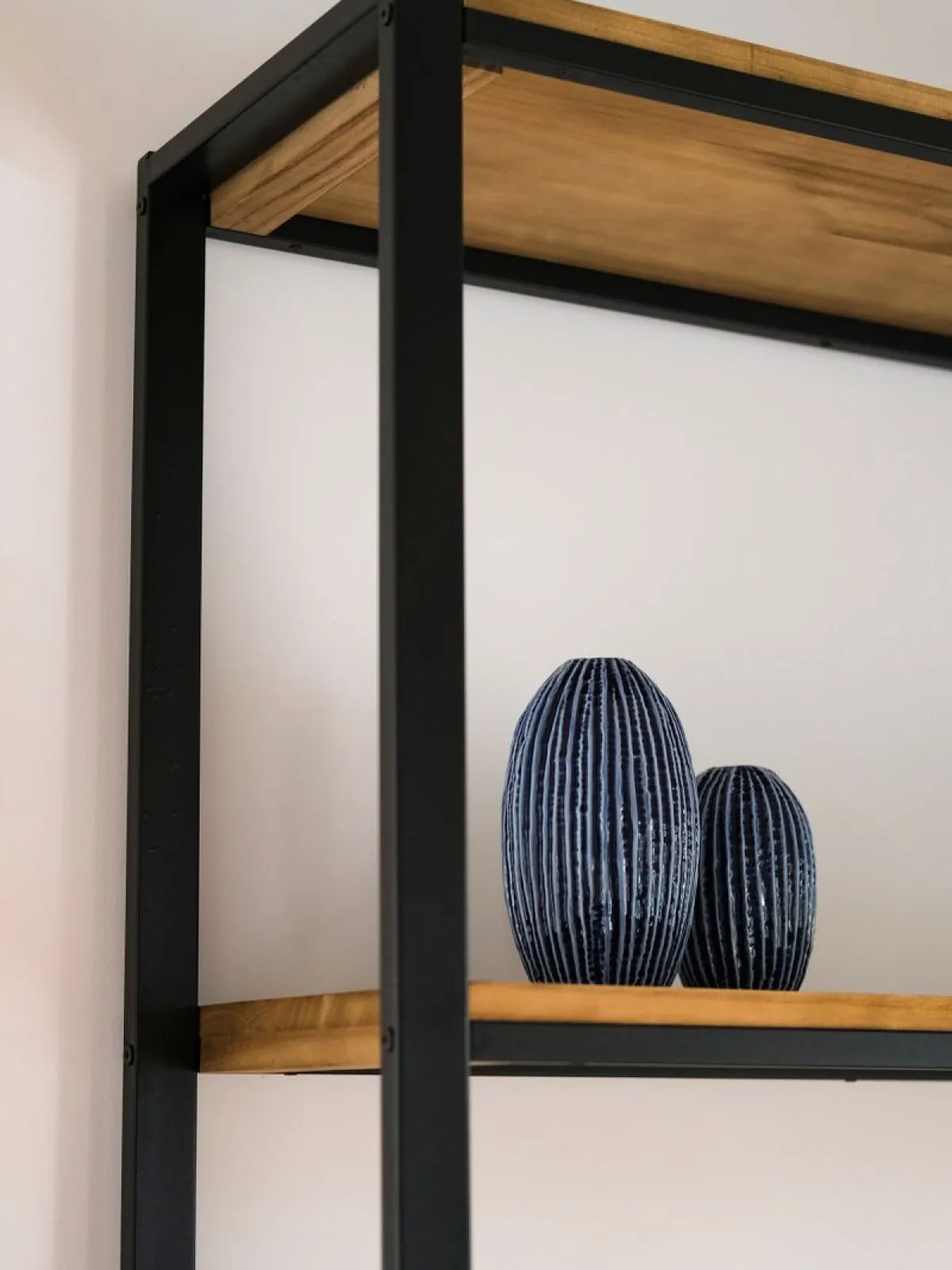
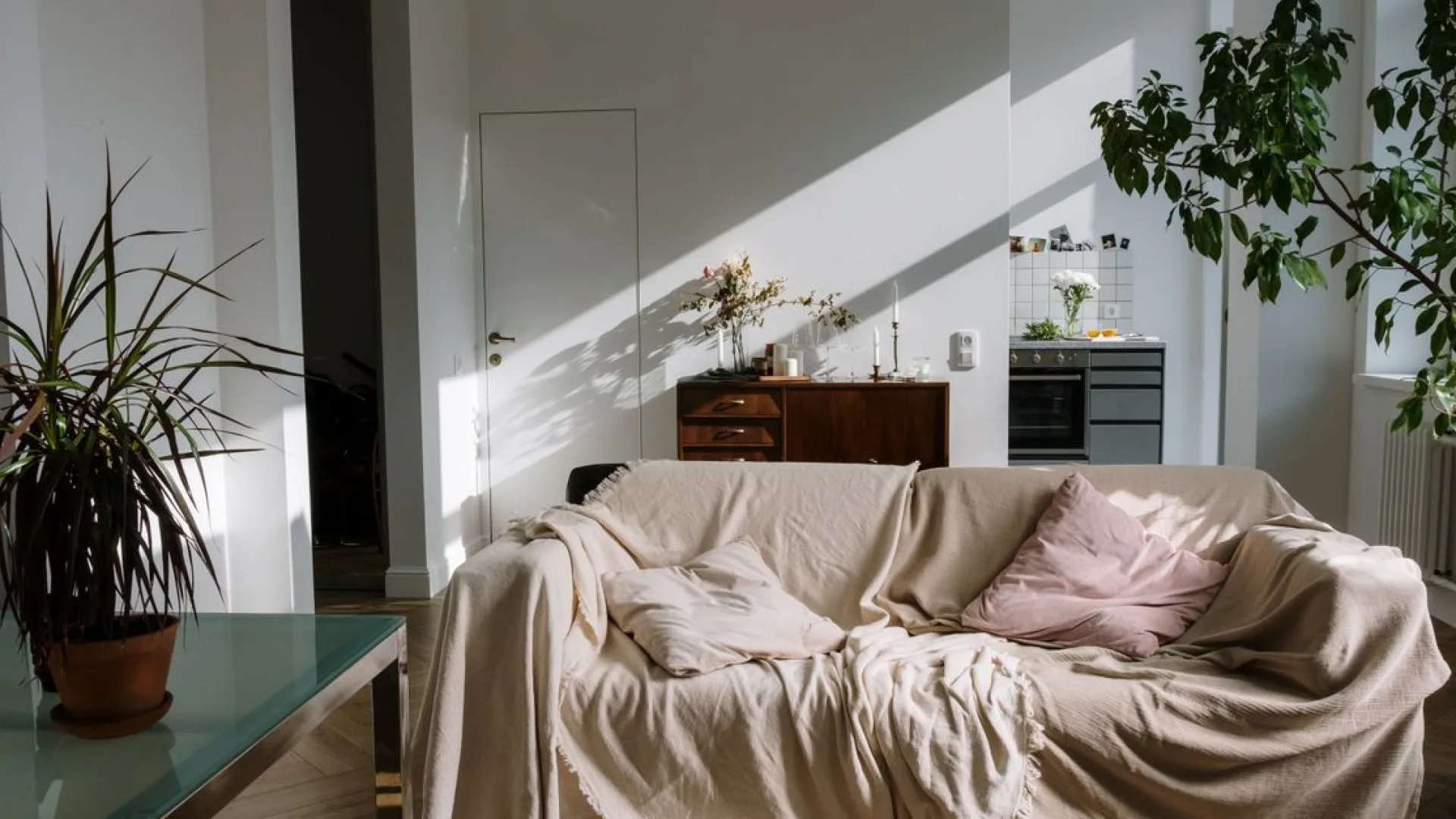
In situ — Apartment K, Lisbon
We photograph our work in rooms that are almost bare, because that is the honest test. Without styling, without a rug underneath and nothing on the walls, a piece either carries the space or it does not.
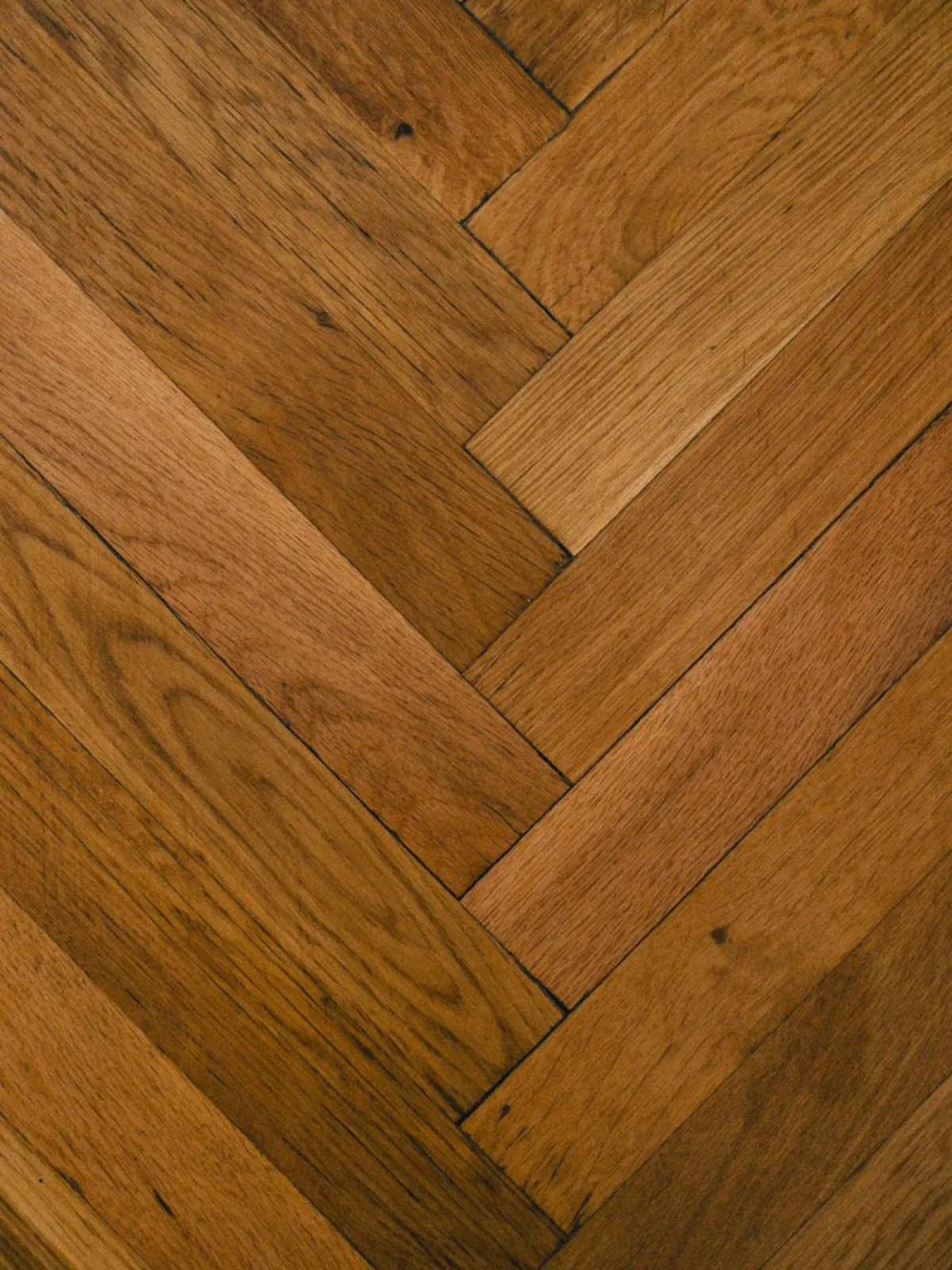
This apartment holds four of our editions and very little else. The oak has been in place for two years and has moved from pale straw to a soft honey; the blackened steel has begun to grey where hands touch it most.
“Wear is not damage. It is the record of a decade in a room.”
Philosophy
We design objects that ask very little and give back for a very long time.
OBJECT/FORM — founding note, 2014
Enquiries
We accept a limited number of private and architectural commissions each year, and work directly with galleries on representation and exhibition.