One idea per object
Each piece resolves a single formal question — how a seat can hang, how a top can float, how a light can become a line. Second ideas are kept for second pieces.
The practice
Founded 2014 · Copenhagen & Lisbon
Two designers, eleven workshops, four new pieces a year.
OBJECT/FORM was founded by Ines Marto and Anders Kjeldsen after a decade spent between architecture offices and cabinetmaking benches. The studio has stayed deliberately small so that every drawing can be followed through to the workshop floor.
Philosophy
We begin with a material and a constraint rather than a concept. A stack of storm-felled elm; a workshop that can fold steel to 1 mm but cannot weld it; a client's room with one window facing north. The object emerges from those facts.
That method makes our work quiet. There is very little in a piece that is not doing something — carrying load, resolving a joint, catching light, receiving a hand. What remains is proportion, and proportion is where we spend most of our time.
We are not interested in novelty for its own sake. A piece is finished when nothing else can be removed from it, and when we can imagine it still being wanted in thirty years. If it only makes sense in a photograph, we stop.
“We would rather make one object that outlives us than twelve that outlive a season.”
Approach to form
Working principles we return to on every project. They are not a manifesto; they are a way of making decisions quickly.
Each piece resolves a single formal question — how a seat can hang, how a top can float, how a light can become a line. Second ideas are kept for second pieces.
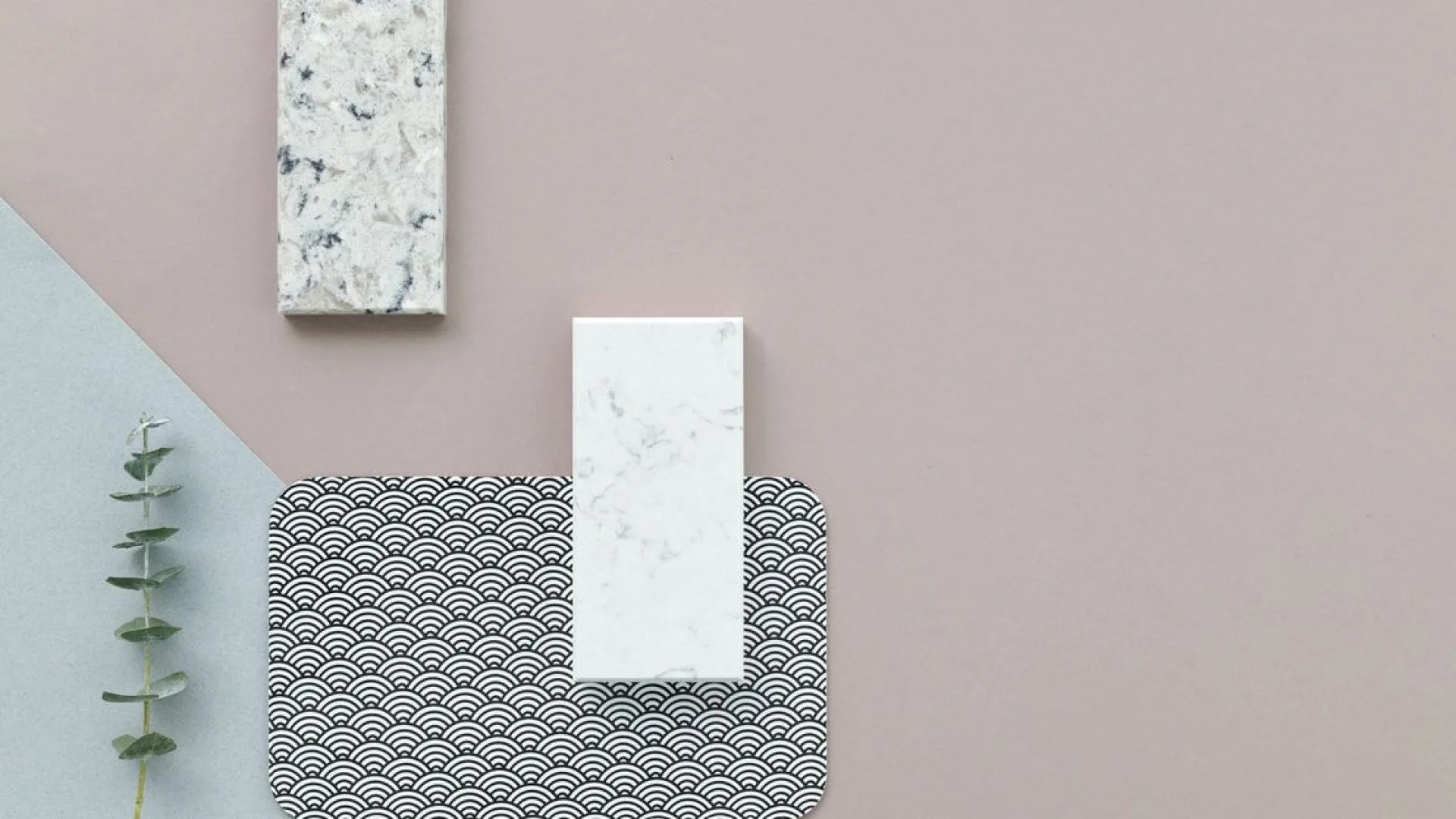
Mass is not hidden. Stone reads as stone, timber sections are honest to the load they carry, and lightness is achieved by removing material rather than disguising it.
Where a connection can be visible without becoming ornament, we show it. A well-cut joint tells you how something was made and how it can be taken apart again.
We choose finishes that record use. Soaped oak lightens, unlacquered brass darkens, oiled walnut deepens. The object should look better in year ten than in year one.
Every profile is drawn 1:1 before a prototype exists. Screen renderings flatter; a full-size section on paper, pinned to a wall for a week, does not.
Nothing is glued shut that could be pinned, and nothing is finished in a way that cannot be renewed on site. Longevity is a design decision, not a promise.
Collaboration
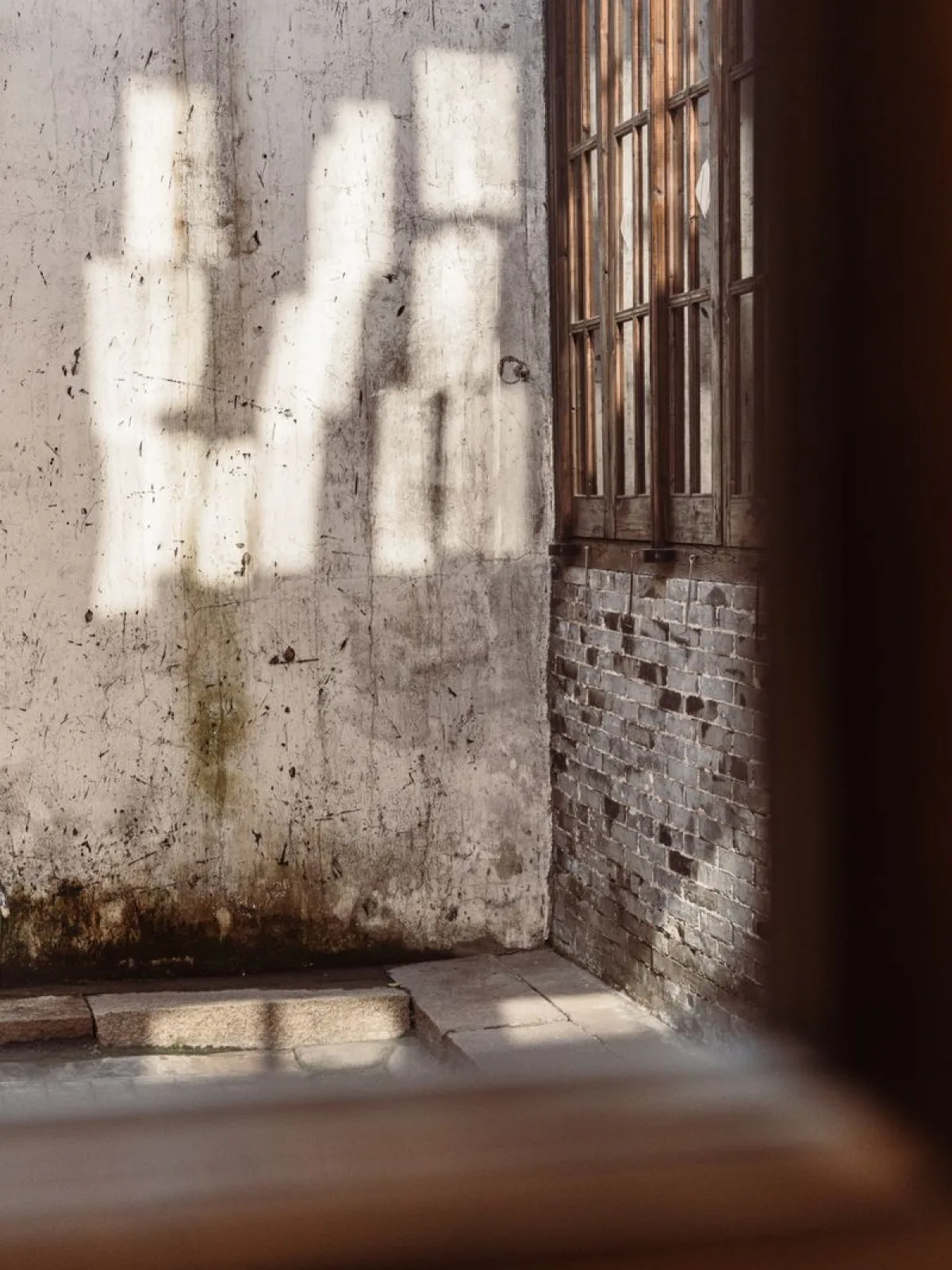
Every piece is developed inside a specific workshop, with the people who will build it. A drawing arrives, and within an hour it has changed — because the joiner knows how that oak will move, or because the folder can hold a tighter radius than we assumed.
Those conversations are the studio's real method. We spend roughly a third of the year travelling between benches in Denmark, Portugal and northern Italy, and we credit the workshop on every piece it produces.
The relationships are long. Our first cabinetmaker has now built seven of our editions; the glassblower who makes the Column diffuser has refused two of our drawings and was right both times.
Partner workshops
A selection of the small workshops we produce with. None employs more than nine people.
Limited production
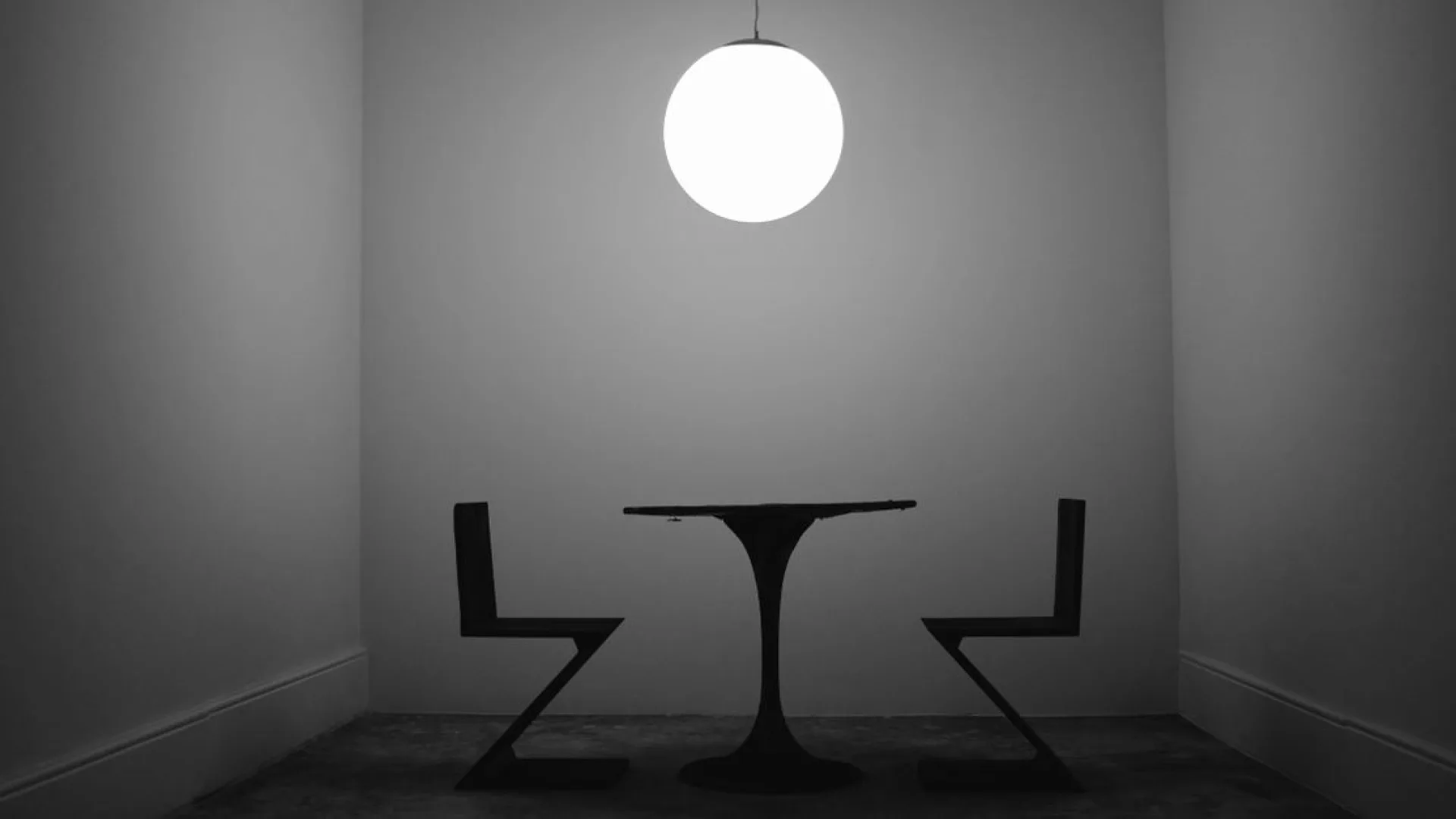
Editions are sized to the capacity of the workshop that makes them, not to a sales forecast. When an edition closes, the drawings are archived and the piece is not reissued — though we continue to service every object we have ever sent out.
Selected history
Exhibitions, editions and the occasional useful mistake.
Ines and Anders share a bench in Aarhus and produce the first Kettil prototype, which is still in daily use in the Copenhagen studio.
A visit to a quarry outside Vicenza leads to the Vein family and a working relationship with Marmi Bassano that continues today.
A small drawing and upholstery studio opens near Rua da Boavista, closer to the Portuguese workshops.
The walnut table is exhibited in a bare apartment during design week — no styling, one object per room.
The studio begins working with two European galleries on collectible and one-off works, including the Ridge series.
Four years of drawings resolved into a single drawn steel column and a hand-blown opal cylinder.
Work with us
We take on a small number of commissions each year and are glad to discuss a project long before it is defined.